Street Photography with a Zoom lens: the privilege of making the wrong choice

The art world has its fair share of dogmas and photography is no exception: if you’re into street photography at all, you probably know that no serious professional would be caught dead using a zoom lens! All the greats used prime lenses and there are plenty of good reasons for that: they’re compact, unobtrusive, and the more you get used to a specific focal length, the easier it becomes to compose a shot before even lifting the camera up to your eye. Plus, it eliminates pesky distractions like deciding which zoom range to use, increasing your chances of capturing the “decisive moment”.

All of this makes perfect sense if you think of street photography strictly as capturing people on the streets, but I would argue that nowadays this genre encompasses so much more than that! Here’s why I think it might be worth to consider a different perspective:

The Classical approach

A bit of context first: like many of you, I got my first mirrorless camera with a kit zoom lens which I used extensively in those early days. But right from the start I also had a vintage Canon FD 50mm (more on that story here) and it didn’t take long for me to realize I much preferred the results from that lens over the zoom. So down the rabbit hole I went…

About one year later I sold the kit zoom and for a long time I only bought and owned primes. Whenever I went on a photowalk I would either carry one camera and two lenses (usually a 35mm and a 50mm FF equivalent) or two camera bodies with different lenses attached. Overall this worked pretty well for me and I took some of my favorite photos of people on the streets with this combo, but as far as “user experience” goes I would often be switching lenses/cameras on the move, which could get a bit annoying and distracting.
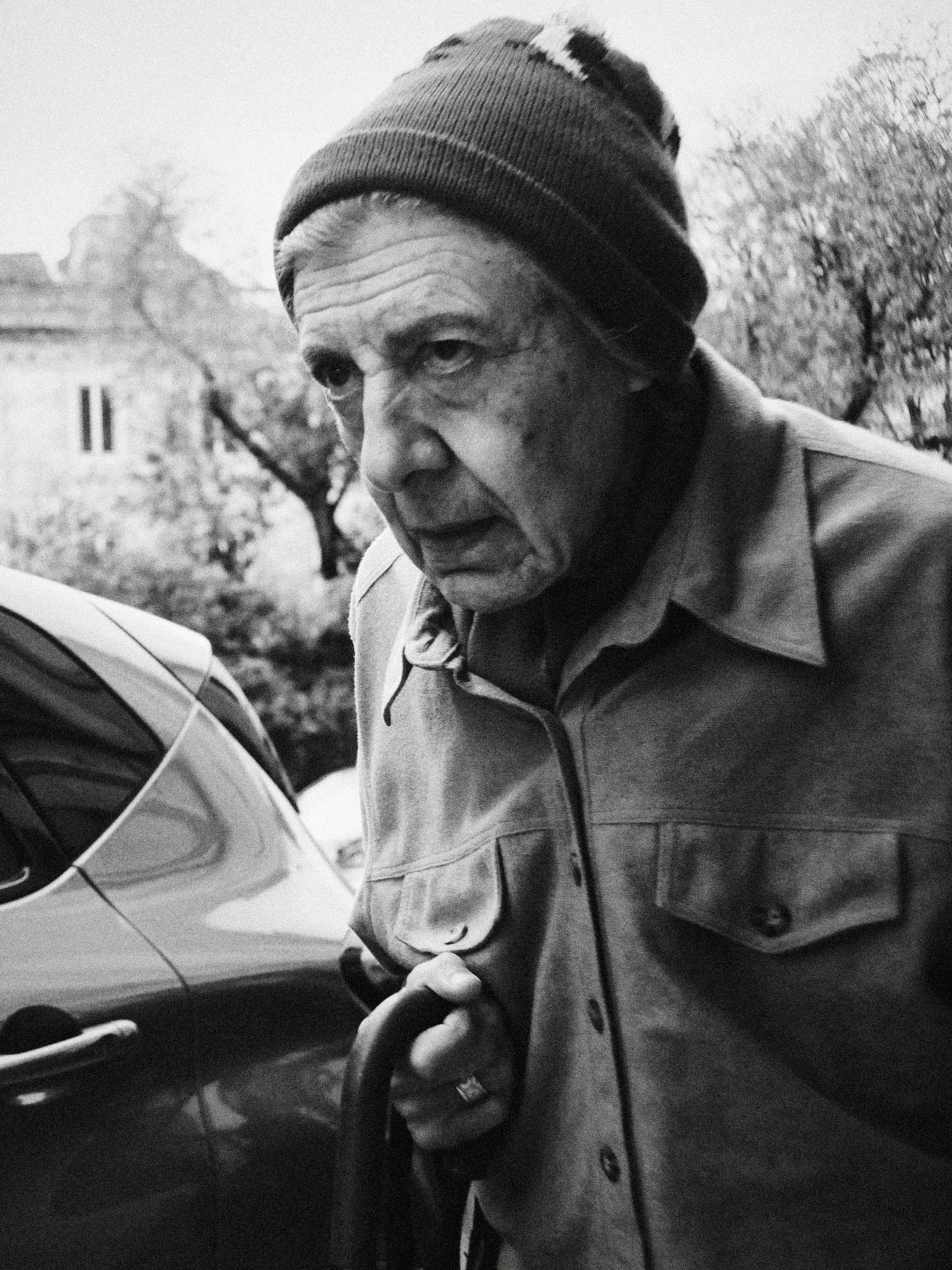
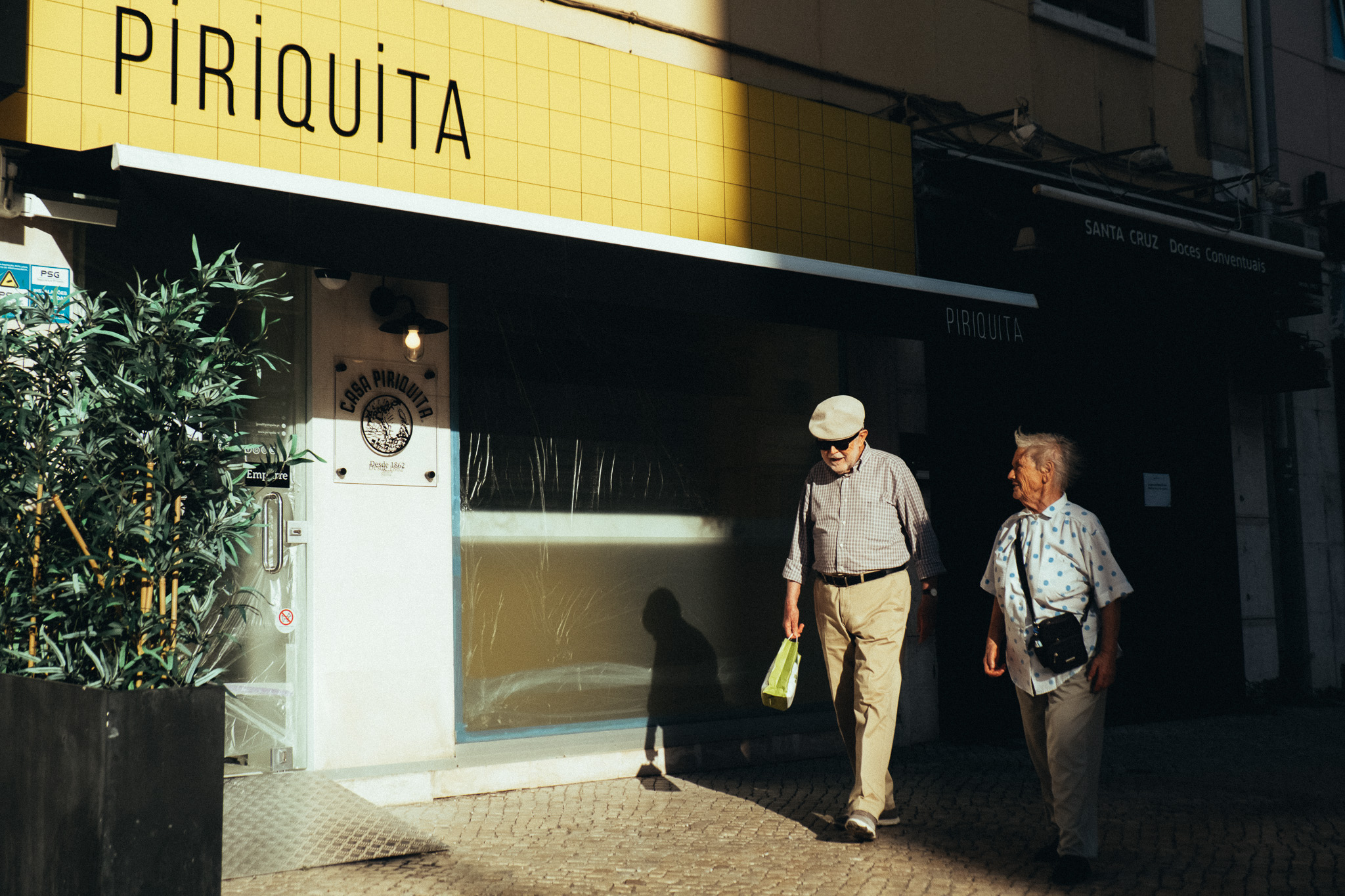
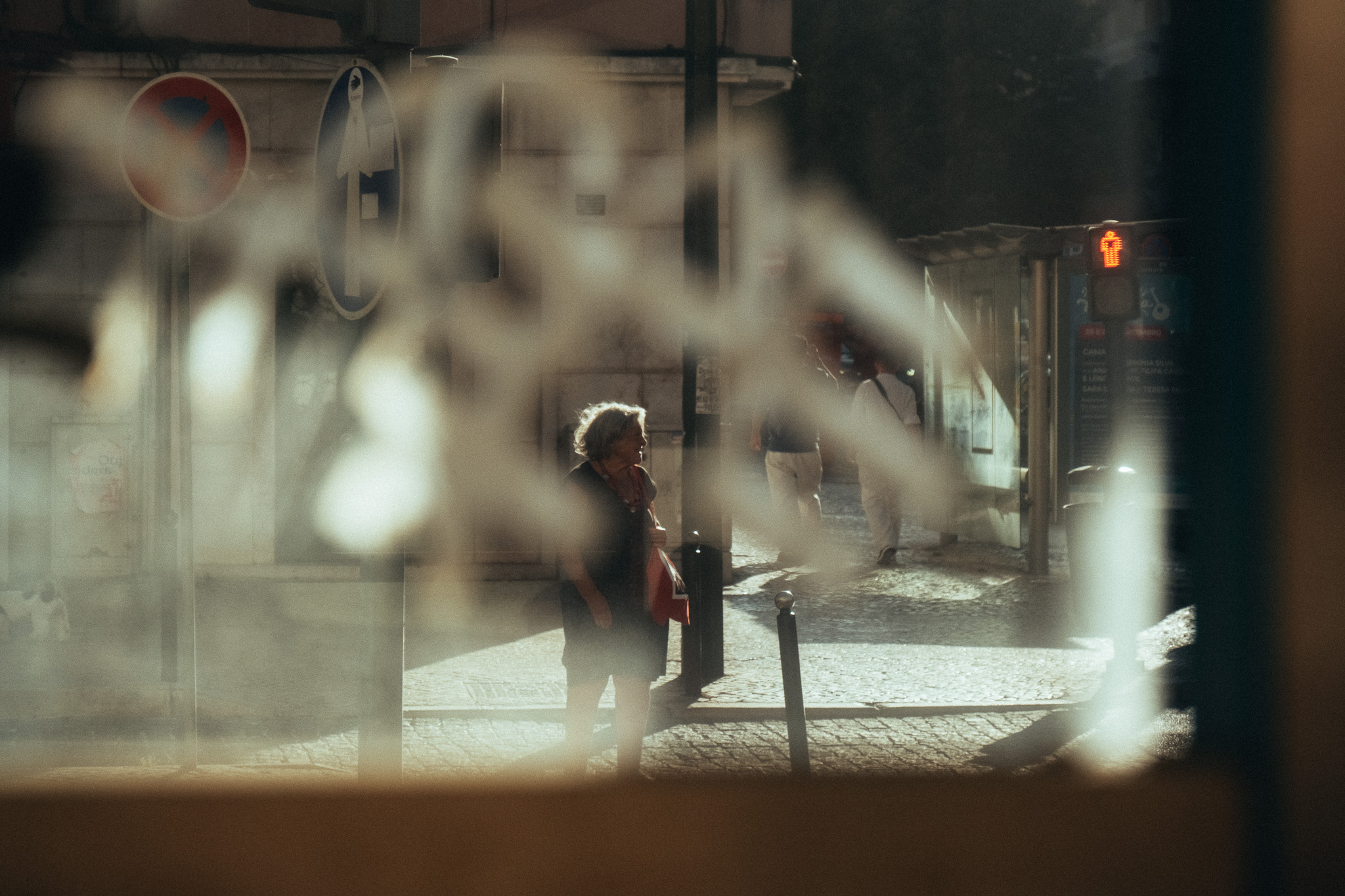
My “classic” street photography using prime lenses

The “Eureka” moment

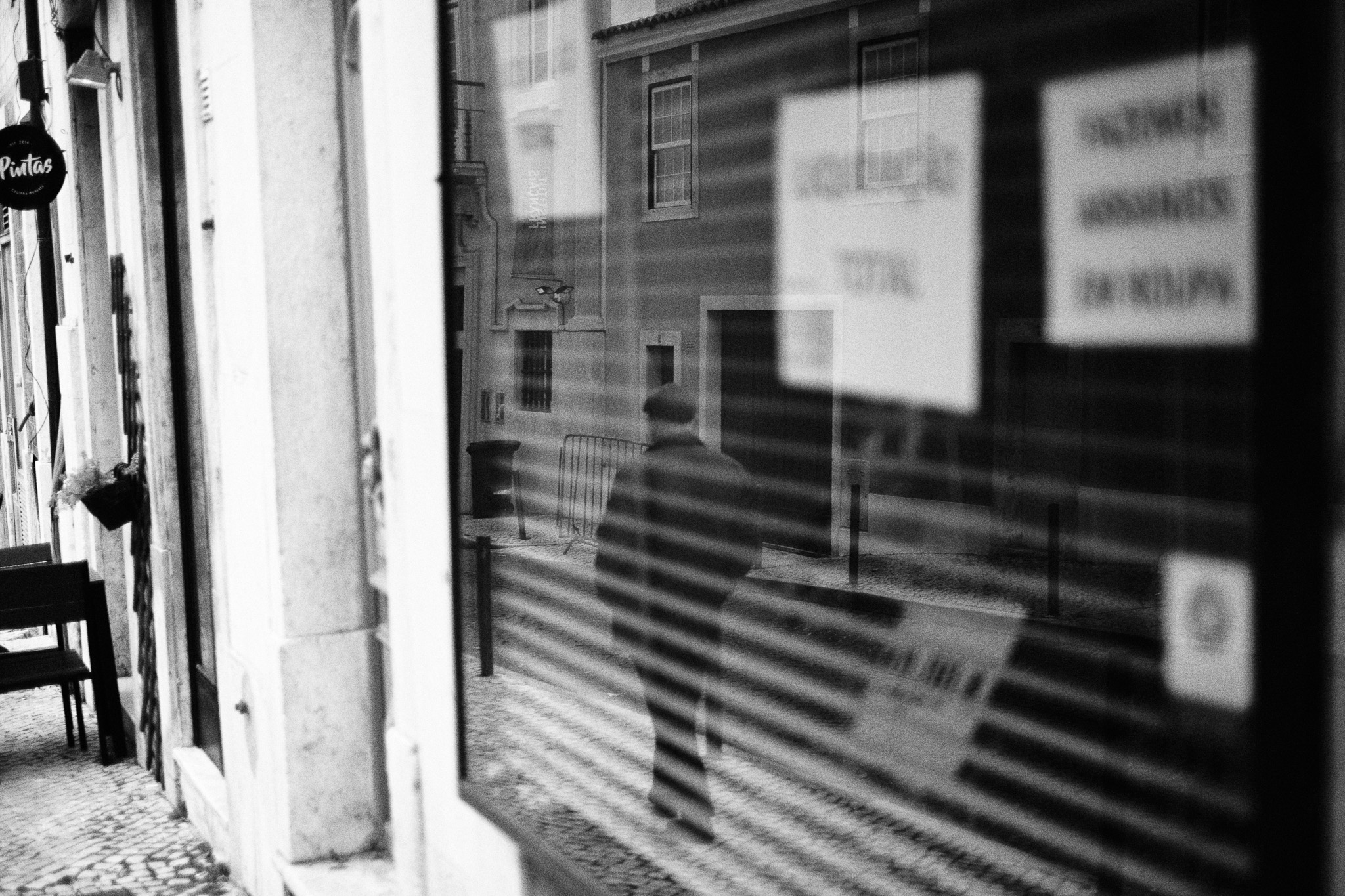
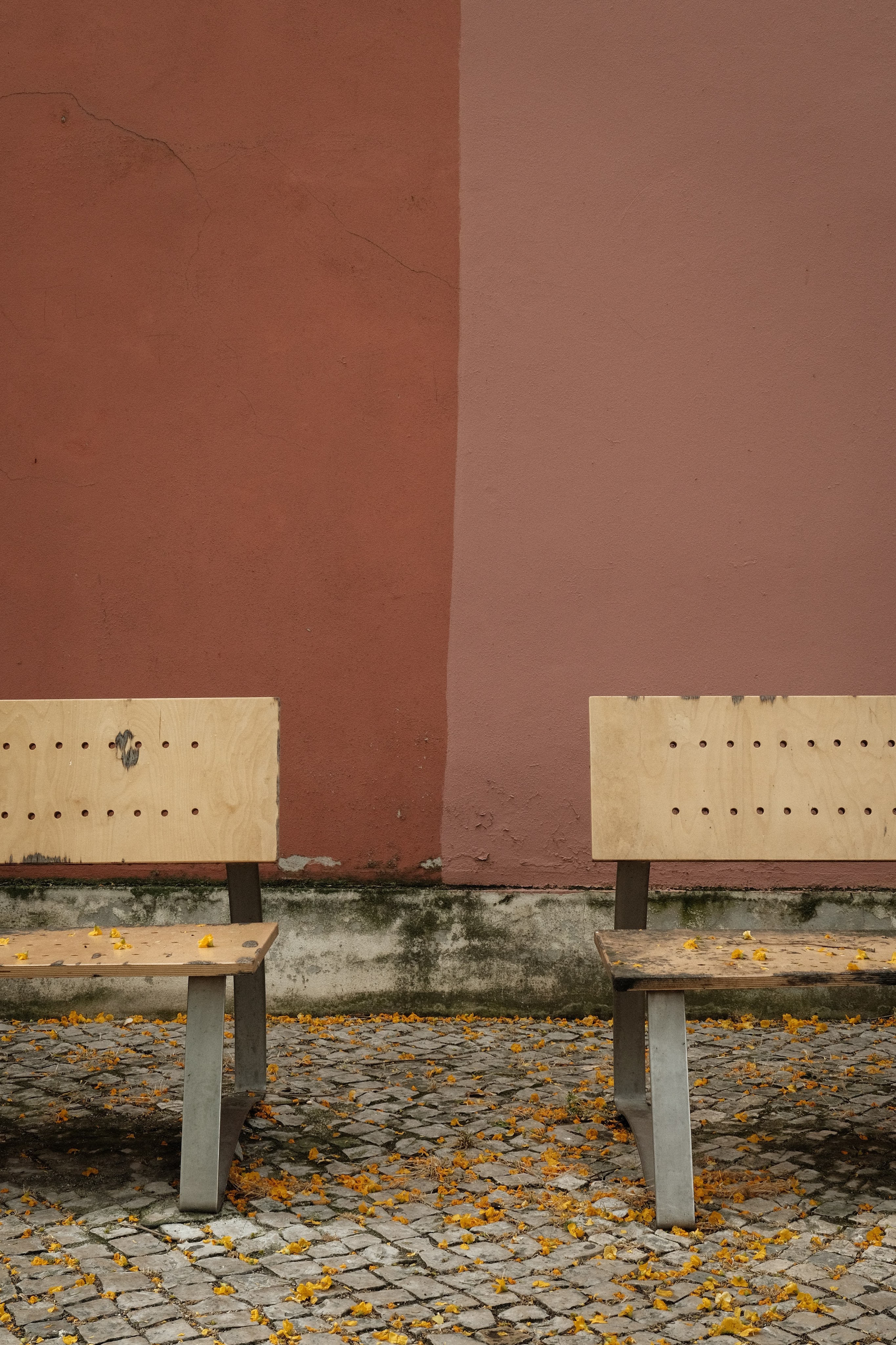
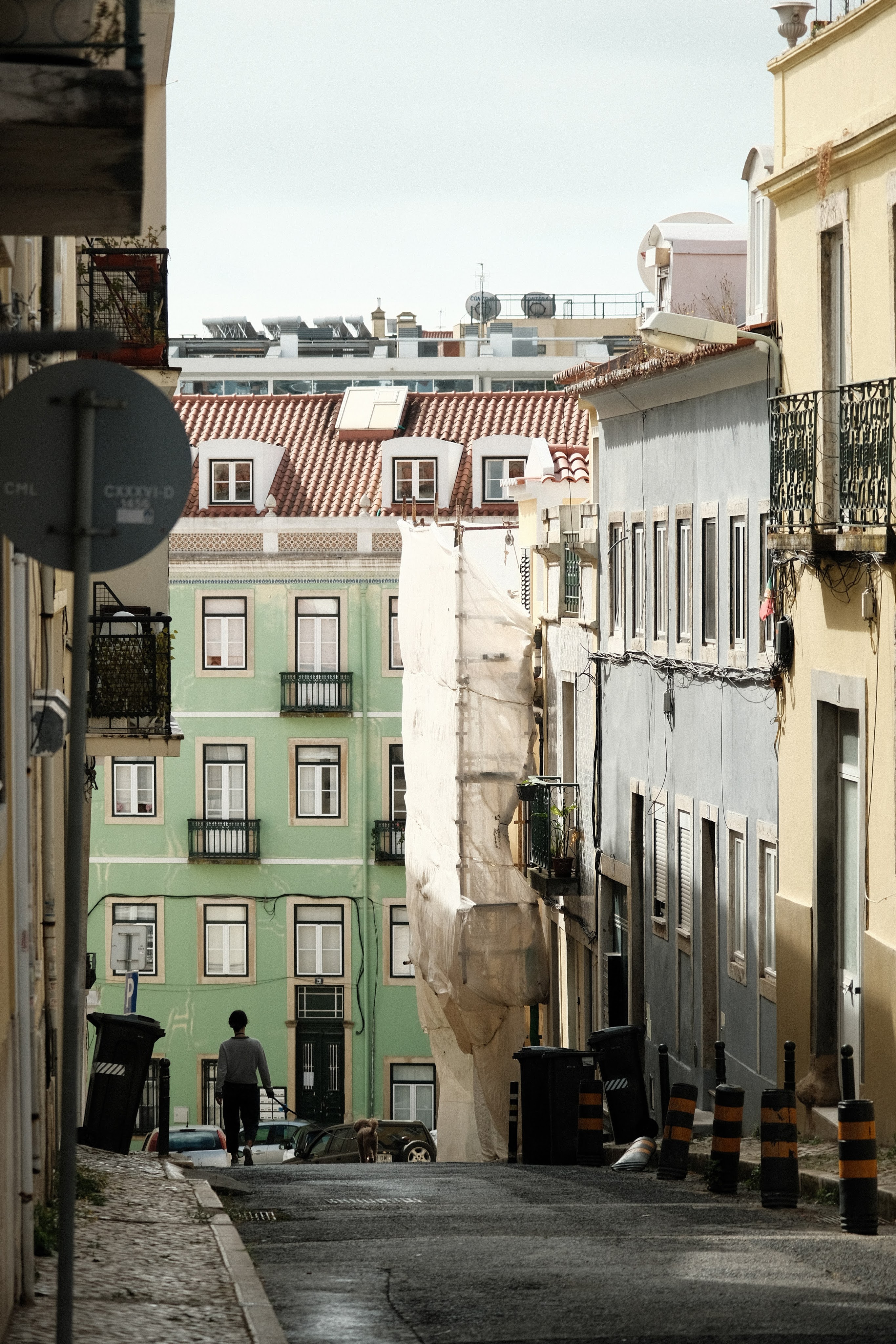
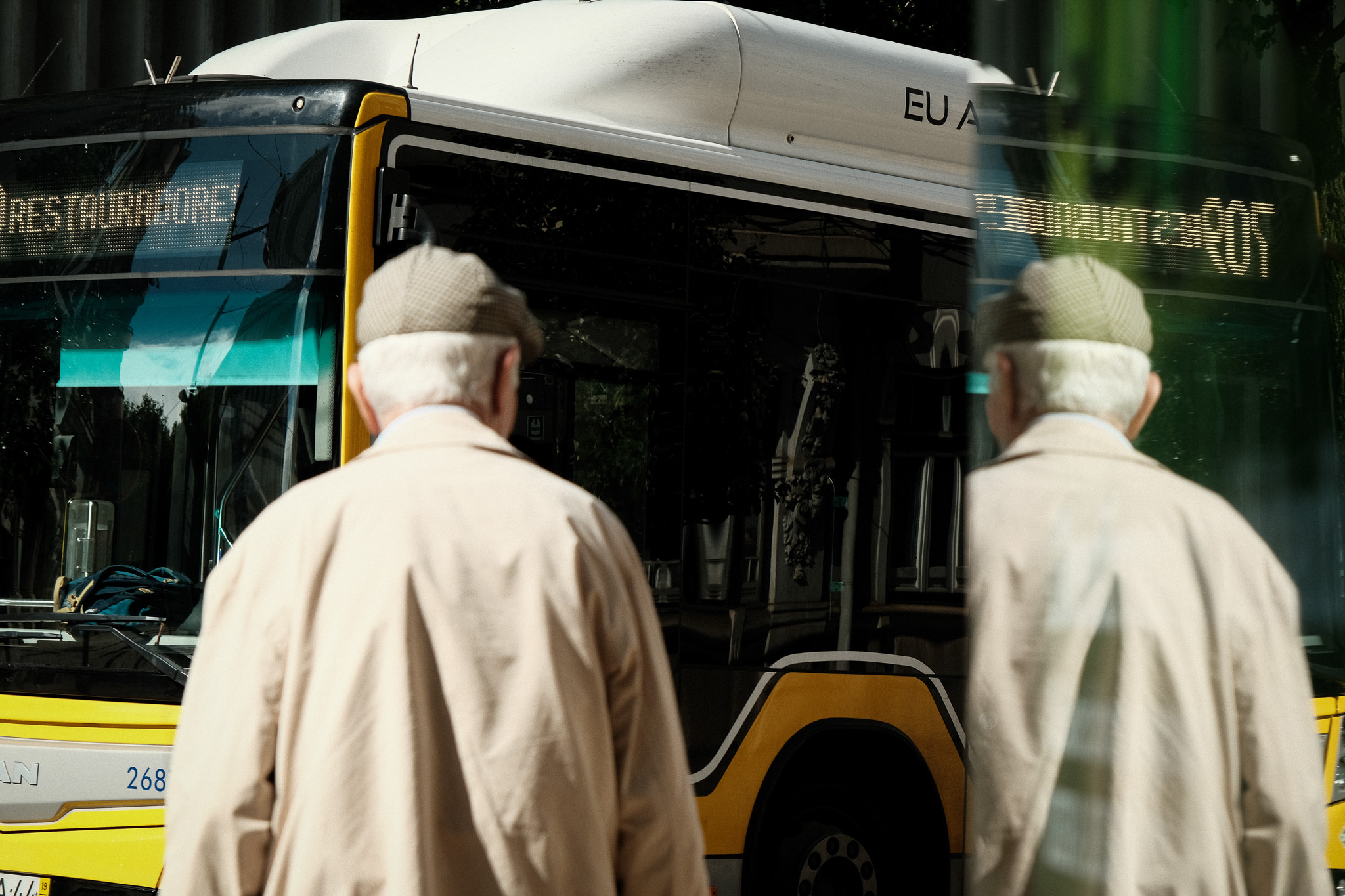
It wasn’t until a couple of years ago when a friend of mine borrowed me his Fujinon XF 16-80mm on a photowalk that I really started to question my previous approach. Having this kind of range available meant I could easily go from photographing details in a wall far away, to a wide architectural shot with a just a twist of the zoom ring! It felt so liberating to have this whole new world of possibilities without worrying about switching lenses that a few months later I bought my own zoom again, this time a Fujinon XF 18-135mm.

A few samples from my first experience with the Fujinon XF 16-80mm

The result

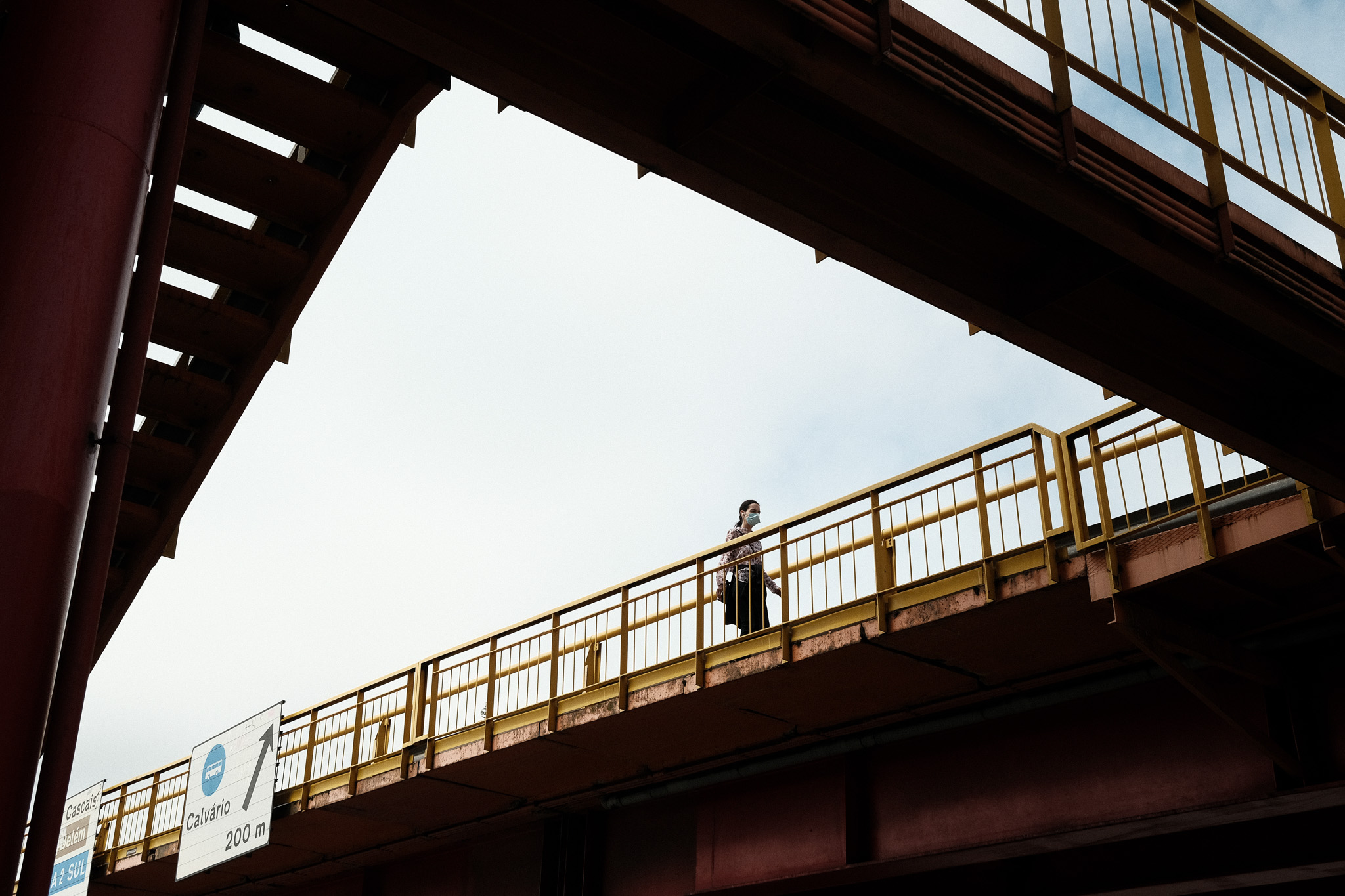
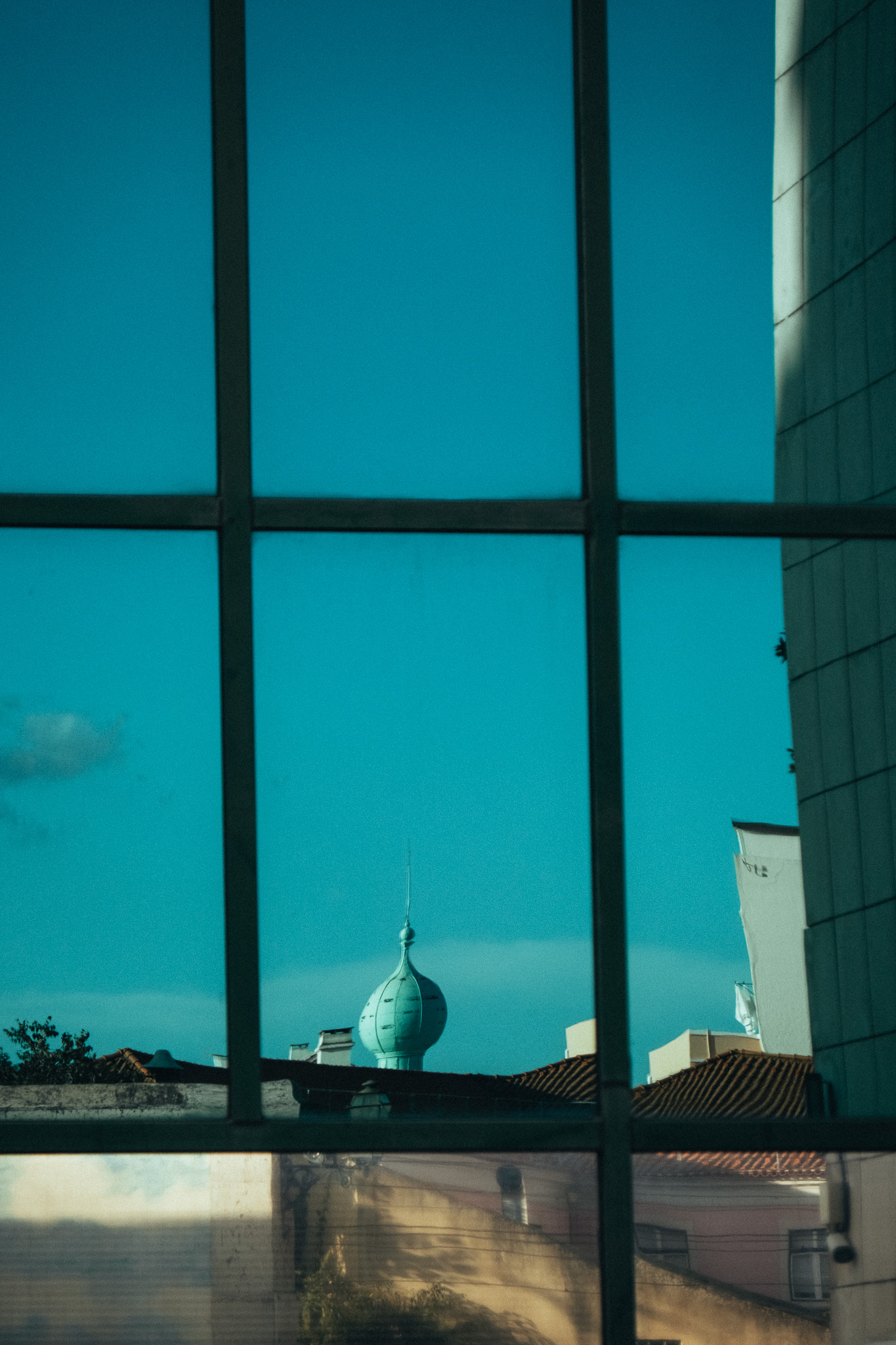
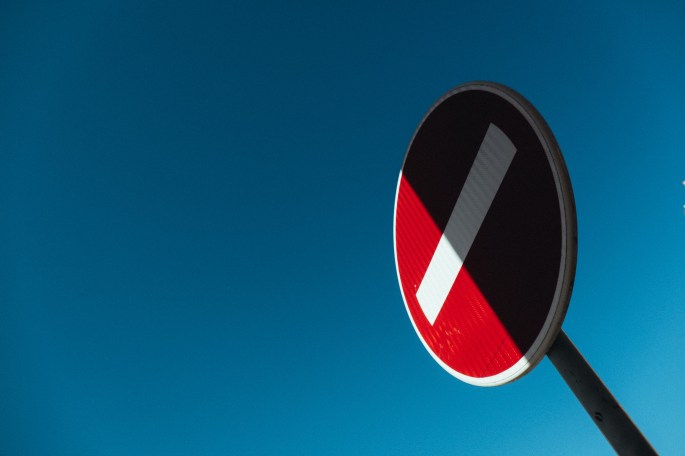
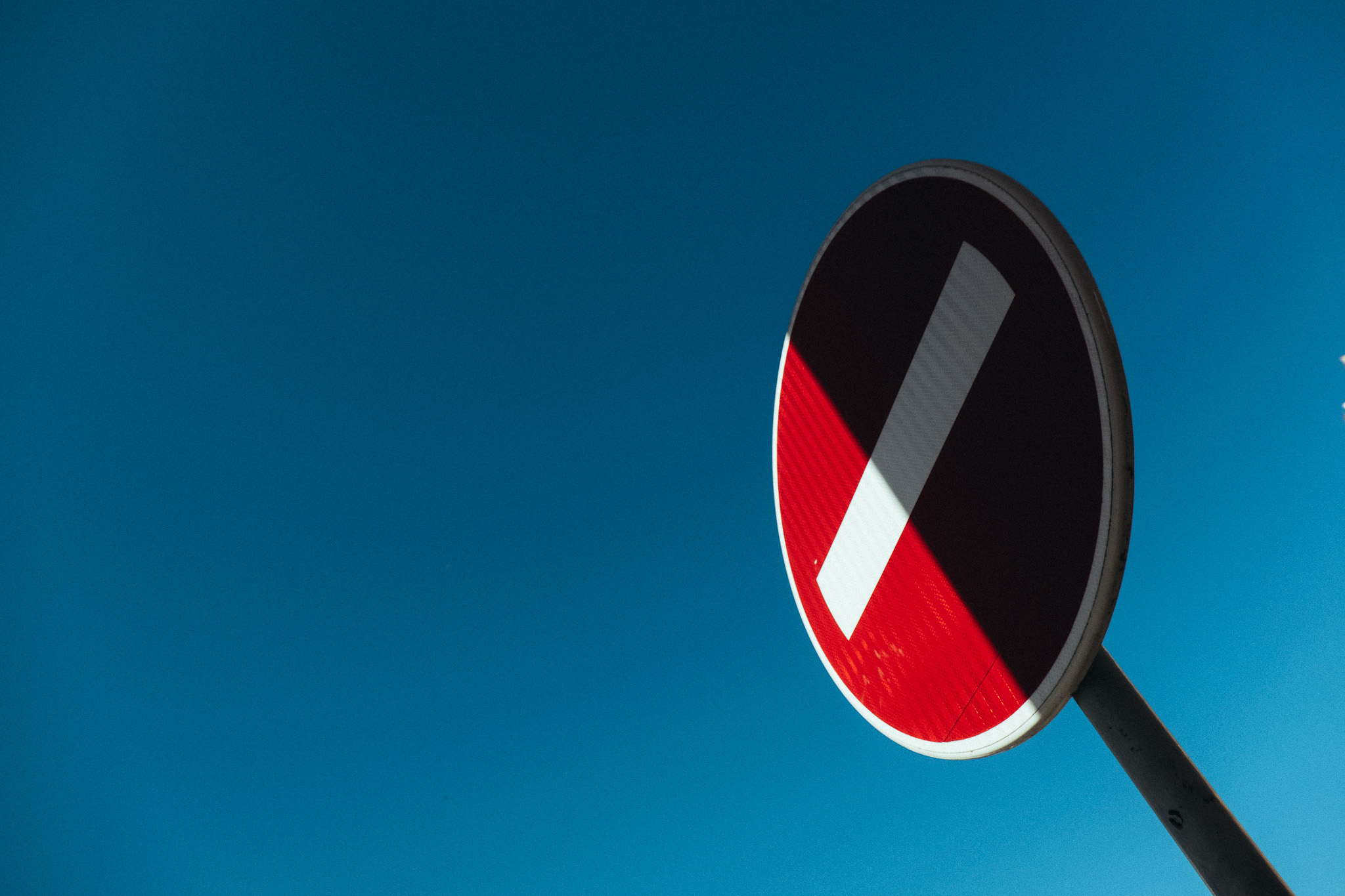
I’ve used the 18-135mm zoom in almost every photowalk since them, but what’s really fascinating to me is how profoundly it changed my style of street photography: because I can isolate details very easily, I’ve started to focus more on shapes, patterns and abstract compositions and less on people (although it can obviously do that too). Funny thing is, nowadays even when I carry just a prime lens on my camera, I still tend to look for those same details, albeit with a much more limited range.

The one downside I have to mention is that because of the large zoom range, this lens is much bulkier than Fuji’s compact primes! I definitely wouldn’t recommend it as an everyday carry, I only use it when I go out specifically to photograph or on vacations with lots of sightseeing involved, otherwise I’ll choose a smaller prime instead.

But if you’ve been using strictly prime lenses and feel like you’re stuck in a rut, I highly encourage you to try a zoom lens and explore its possibilities on both ends of the spectrum, wide-angle and telephoto.

Here are a few more examples taken recently with the 18-135mm, you can check the focal length used in each photo’s details:
“Hunker down” – a photo diary of life during lockdown

I’ve always felt that random acts of kindness are one of the most beautiful things humans can do for each other, but they seem to be increasingly rare these days. So when about a month ago Timothy Michael – an American photographer I greatly admire – offered to send me a couple of his photobooks for free, I could hardly believe it. I would always be thrilled to get a gift like this, but in this particularly dark times we’re living in it felt extra special.

“Hunker down” is Tim’s photographic diary of his life during the Covid-19 lockdown in Noble County, USA, alongside his lovely wife and 2 gorgeous dogs. Just like myself, his dogs were the perfect excuse to go out on long walks during the lockdown, but unlike myself Tim put them to good use and created a tremendous body of work. His photos convey beautifully all of the emotions I think most of us felt during that period: the uncertainty, the fear and the melancholy, but also the more relaxed, joyous and intimate family moments that the confinement allowed.

Personally, I found it fascinating to have this glimpse into a reality that’s so distant from mine and yet so similar at its core: when push comes to shove, it will always be love, family and friends (2 legged and 4 legged) that will guide us through the storm.

On a final note, I’m curious to see how other people spent their confinements, so feel free to share in the comments links to your own photos of this period.

A day with the Fuji gang – part I

Yesterday I had the privilege of participating in a photo-walk organized by Fujifilm Portugal in the beautiful village of Monsaraz and also in Évora. It was a great day of fun with other Fujifilm nerds like myself, full of geek talk, good food and breathtaking landscapes… there was hardly any time to photograph, but somehow we managed to snap a few (hundred) shots! 😉

Surprisingly, the keeper rate was much higher than I thought, so I’m going to split this in a few posts to avoid crashing wordpress with too many photos. I used both the x100F and the X-pro3 with my jpg color recipes for each camera.

– Monsaraz, 15th of February, 2020

New film simulation recipe for the X-pro3 / x100V

As most of you already know, I’ve been using the X-Pro3 for a few weeks now and since day one I set it to Classic Negative and haven’t changed it yet (though I did process some images in Black & White afterwards).

I’ve been getting some questions on Instagram regarding the settings I’ve been using, so I figured it was about time I’d update my “Favorite Fujifilm film simulation settings” article to reflect this.

I’ve left the previous versions of the recipe untouched because I know very few people have Classic Negative right now, although I have a feeling it should be coming soon to other X-Trans IV models like the X-T3 and X-T30.

Let me know what you think and feel free to ask any questions you may have!

On the importance of art as an end in itself

“I spent a great deal of my life being ignored.
I was always very happy that way.
Being ignored is a great privilege.” – Saul Leiter


A week ago I did something unthinkable: I actually bought something on Black Friday! I ordered the book “All about Saul Leiter”, as I’ve only recently discovered the work of this genius. I knew I was going to love the photos, but what I didn’t expect was to relate so deeply to this man’s thoughts.

He had a very particular view on art and life in general – I guess you could call him kind of a maverick – which probably explains why he didn’t receive more recognition for his work until very late in his life. What fascinates me the most though is that not only he didn’t seem to care about that at all, he actually thrived on it! He created an amazing body of work while being relatively ignored by most (at least compared to many other famous photographers of the same period). On this day and age where it seems that nobody does anything anymore unless it brings them some sort of reward (be it fame, money, credibility or whatever), there is something very special about people who create art as an end in itself, instead of a means to an end. True artists create because they have to, not because they’re supposed to.

Timothy Michael recently published a blog post that addresses this same topic and that I highly recommend reading. And, of course, if you have the chance do get the Saul Leiter book because it’s worth every penny.