
– Home, 27th of December, 2019
– Home, 27th of December, 2019

L’Amour is an empty park bench where a thousand lovers sat before.
– Portela, 26th of December, 2019

– Parque das Nações, 26th of December, 2019

– Parque das Nações, 26th of December, 2019
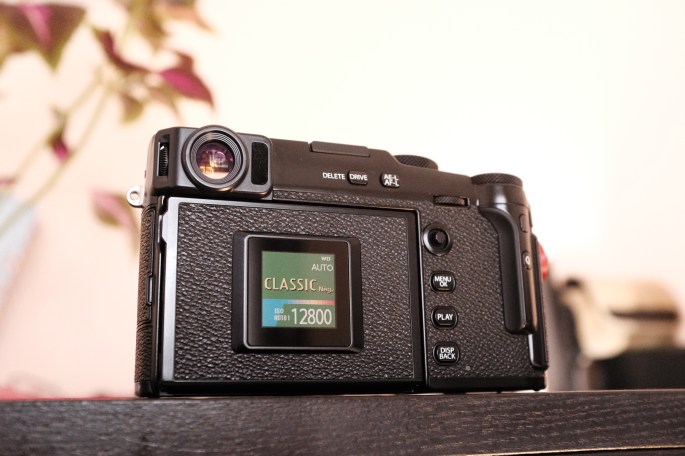
…I am now the proud owner of a X-pro3, the camera that nearly broke the Internet! 😁
Those who follow me on social media may recall that I was fairly critical of some of the design choices made (though nowhere near the level of insanity that rocked the once peaceful Fuji community). I couldn’t wrap my head around that flip screen, and the removal of the D-pad also seemed like a step backwards in terms of customization. So what gives? Why did I end up selling my x-pro1, x-t20 and a guitar to buy this (very) expensive quirky camera just a couple of months later?
Well, the fact is the more I read about it and analyzed my own way of shooting, the more I felt it could be a great match for my needs. If you read my x100f tribute, you know that on that camera I prefer to keep the back screen off most of the times; when I do use it, I’ve always wished it would tilt so I could shoot from the hip in a more controlled manner (instead of hoping for the best). At the same time, for the past year or so I’ve been using mostly one single color recipe and one black white recipe in order to gain some consistency in my images, but also to spend less time messing with camera settings and focus more on what’s actually happening around me.
So, once the dust settled and the initial shock wore off, I realized the x-pro3’s more controversial design changes – hidden screen and no d-pad – were actually what I’ve been asking all along for the x100f! I’ve only been using it for a couple of days but I can already tell the ergonomics are brilliant, once you’ve customized the buttons to your needs. There’s also a ton of new software features that are godsent to jpg shooters like me – for example, you can now save a white balance shift on each custom setting! This is a total game changer for fans of in-camera film simulation settings.
That being said, one thing the x-pro3 is not is an “all-purpose” camera. The x-pro line has always been target at a very specific audience, if anything the new hardware changes only made that audience narrower. There are much better options in Fuji’s lineup for people looking for an all-around camera, or for those who prefer to shoot with the lcd screen and change settings often. But if you’re into street or documentary photography and have that “set it and forget it” mentality, I’d argue this is the best camera out there right now (at least without going into Leica territory).
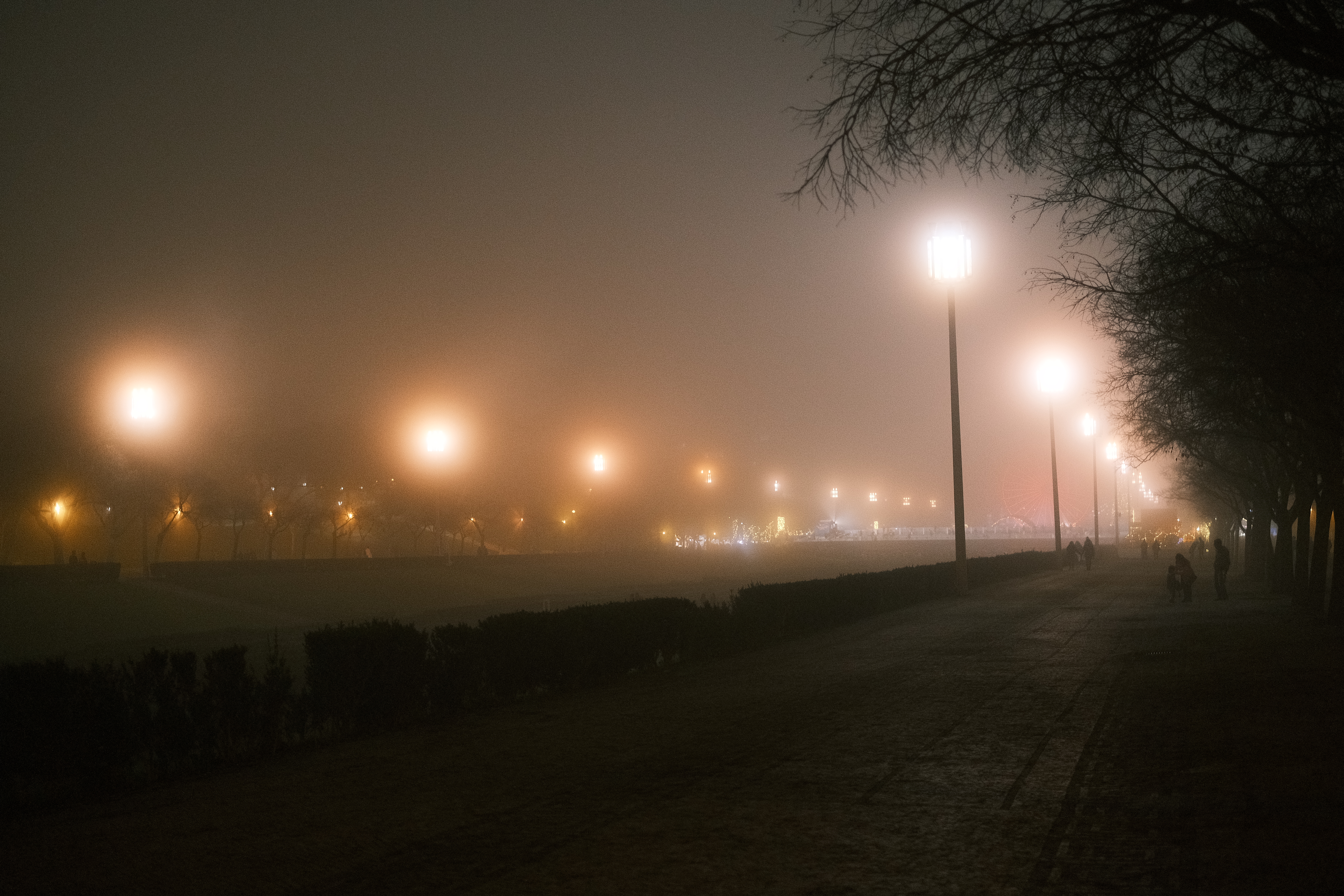
Below are some of the first snaps I took with the x-pro3, all straight out of camera jpgs with the new Classic Negative film simulation. I’m still messing around with this new simulation but I’ll probably have to update my favorite film simulation settings soon! 😉


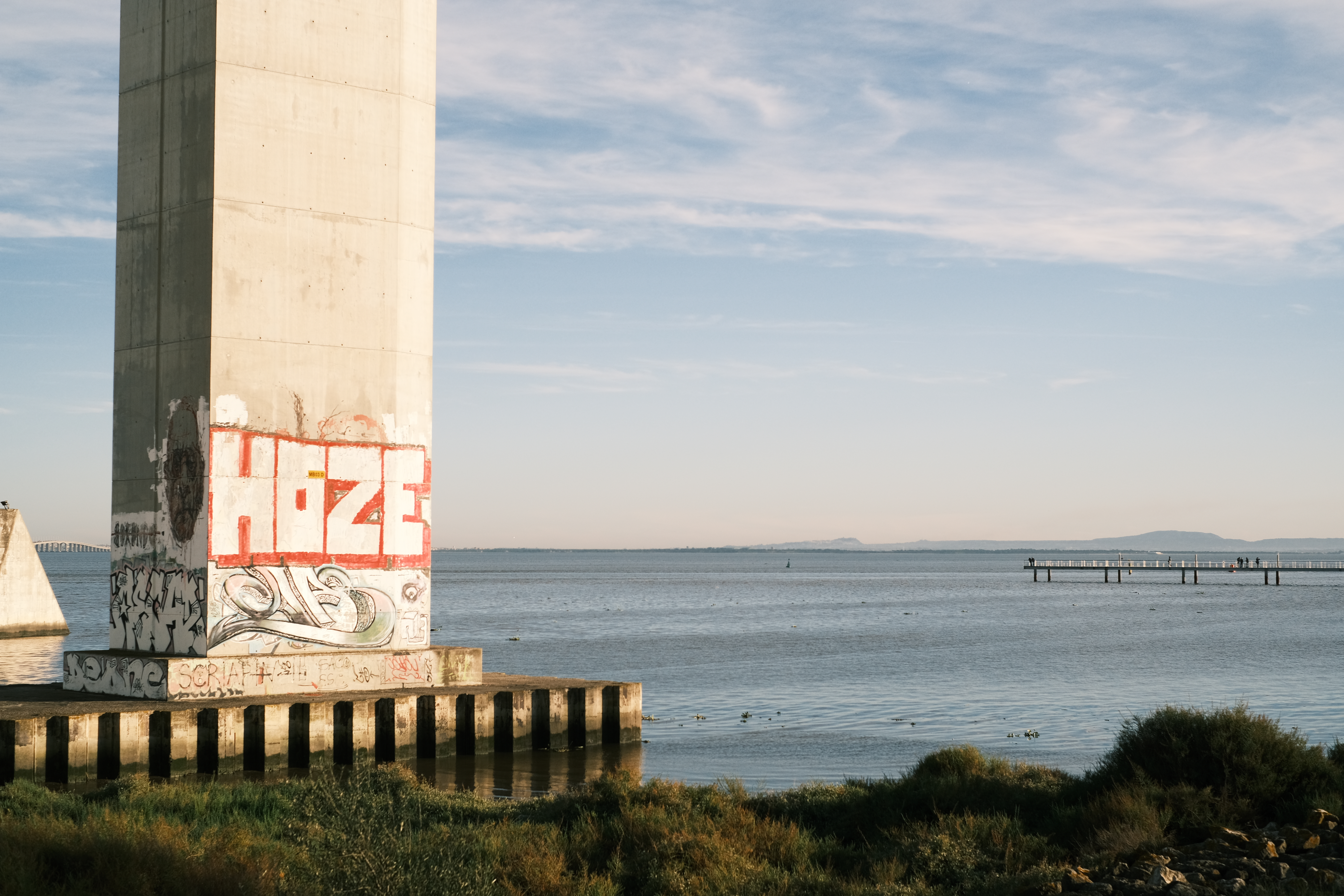
– Magoito/Foz do Lizandro, 22nd of December, 2019

– Olivais, 21st of December, 2019
– Olivais, 21st of December, 2019
– Rio Maior, 15th of December, 2019
“I spent a great deal of my life being ignored.
I was always very happy that way.
Being ignored is a great privilege.” – Saul Leiter
A week ago I did something unthinkable: I actually bought something on Black Friday! I ordered the book “All about Saul Leiter”, as I’ve only recently discovered the work of this genius. I knew I was going to love the photos, but what I didn’t expect was to relate so deeply to this man’s thoughts.
He had a very particular view on art and life in general – I guess you could call him kind of a maverick – which probably explains why he didn’t receive more recognition for his work until very late in his life. What fascinates me the most though is that not only he didn’t seem to care about that at all, he actually thrived on it! He created an amazing body of work while being relatively ignored by most (at least compared to many other famous photographers of the same period). On this day and age where it seems that nobody does anything anymore unless it brings them some sort of reward (be it fame, money, credibility or whatever), there is something very special about people who create art as an end in itself, instead of a means to an end. True artists create because they have to, not because they’re supposed to.
Timothy Michael recently published a blog post that addresses this same topic and that I highly recommend reading. And, of course, if you have the chance do get the Saul Leiter book because it’s worth every penny.
 Life, Unintended